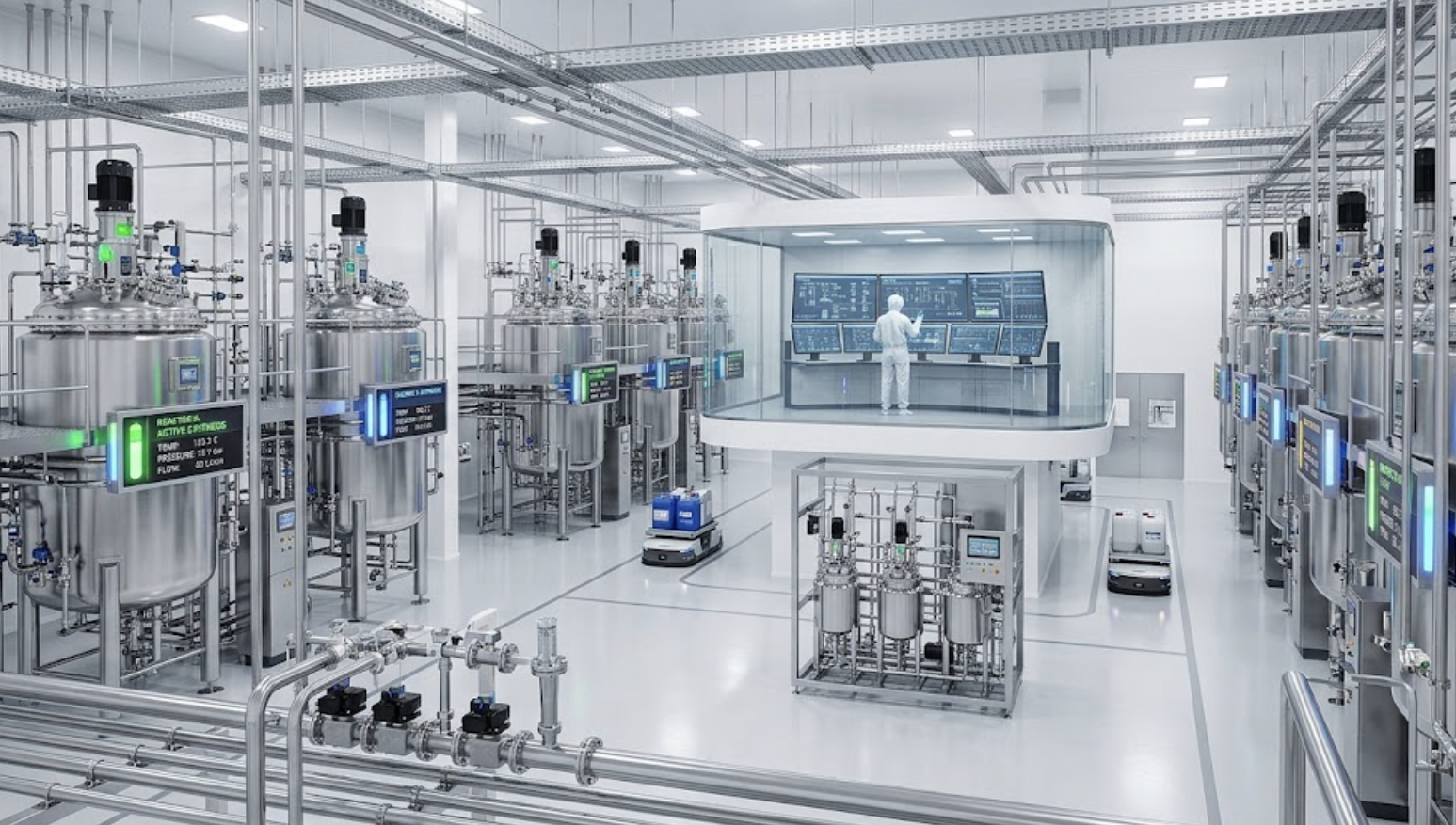
Certified High Capacity PFAS Resin In the World: Comparing Adsorption Performance Against GAC
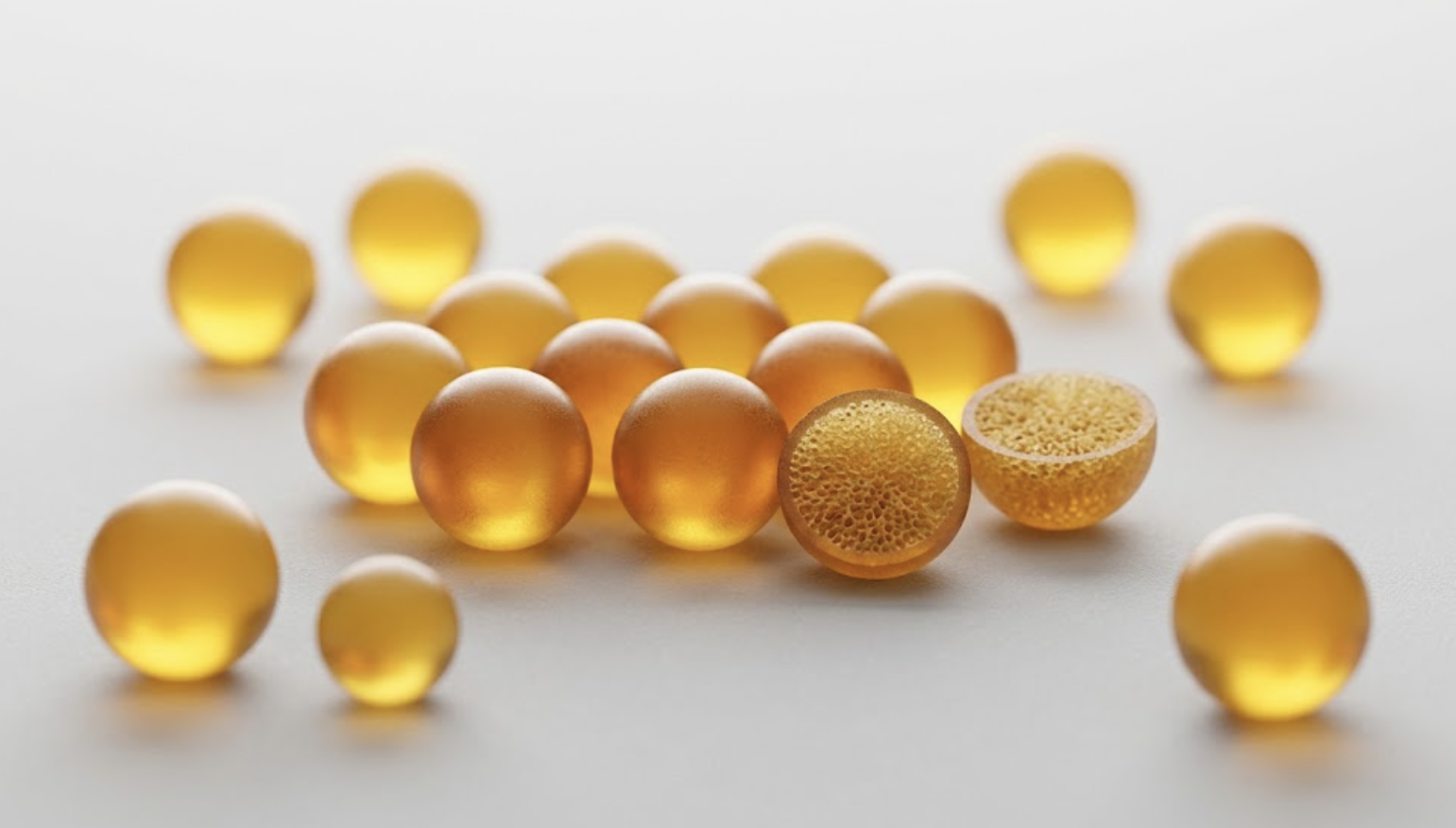
XIAN, SHAANXI, CHINA, September 29, 2026 /EINPresswire.com/ -- Water treatment operators across the globe face an urgent imperative to eliminate per- and polyfluoroalkyl substances (PFAS) from municipal and industrial water supplies. Historically, municipal facilities relied on granular activated carbon (GAC) as their primary filtration medium due to its widespread availability and low initial purchase cost. Granular activated carbon removes organic contaminants primarily through physical surface adsorption within non-specific porous carbon structures. However, non-specific pore filling mechanisms create distinct operational limitations when treating complex raw water streams. Natural organic matter, humic acids, and Total Organic Carbon (TOC) compete aggressively for available pore space within the carbon matrix, frequently clogging micro-pore channels. Consequently, background interferents reduce active carbon surface area rapidly, accelerating media saturation rates and forcing early carbon replacement.
As separation science advances, deploying a <a href="https://www.seplite.com/strong-base-anion-exchange-resin-sba/">Certified High Capacity PFAS Resin In the World</a> offers water treatment engineers a far more sophisticated chemical alternative. Engineered ion exchange media utilize specialized chemical functionalities rather than passive physical entrapment. Macroporous strong base anion (SBA) resins feature tailored quaternary ammonium functional groups grafted onto durable, highly crosslinked polymer matrices. This specialized architecture creates a dual removal mechanism combining strong electrostatic ionic attraction with hydrophobic interactions. As a result, the media targets charged fluorinated heads and hydrophobic carbon tails simultaneously. Furthermore, the rapid mass transfer kinetics of synthetic resin beads enable effective contaminant binding at higher linear flow rates. This fundamental mechanical advantage allows ion exchange systems to achieve superior separation efficiency under variable hydraulic conditions.
Performance Benchmarks: Breakthrough Curves and Saturation Capacity
Evaluating adsorption performance requires rigorous benchmarking of breakthrough curves and total operating capacity under realistic operational parameters. Laboratory trials and extensive field data demonstrate that certified high-capacity strong base anion resin delivers at least 30 percent higher operating capacity compared to conventional granular activated carbon media. This significant capacity advantage stems directly from the high functional group density engineered into each synthetic polymer bead. In practical municipal and industrial applications, high-capacity resin processes significantly more bed volumes of water before experiencing initial contaminant breakthrough. Therefore, utility operators achieve extended run times between media changeout cycles, which directly stabilizes operational planning and lowers annual maintenance frequencies.
Selectivity profiles further highlight the performance divergence between traditional carbon adsorbents and specialized resin media. Granular activated carbon exhibits a strong adsorption preference for hydrophobic long-chain compounds such as PFOA and PFOS. However, carbon media struggles to retain mobile short-chain molecules like PFBA and PFBS under continuous dynamic flow. As long-chain molecules accumulate within carbon beds over time, they displace previously adsorbed short-chain contaminants, causing premature short-chain breakthrough into treated effluent streams. In contrast, engineered macroporous resin matrices maintain exceptionally high selectivity across both short-chain and long-chain PFAS species. The tailored functional groups bind short-chain molecules firmly, preventing chromatographic displacement and ensuring consistent compliance with strict non-detect target limits.
Compliance & Quality Assurance: The Role of International Certifications
Deploying media in public drinking water applications demands strict adherence to international safety, health, and quality standards. Municipal utility directors cannot compromise on material purity, organic extractable testing, or structural media integrity. Media installed in potable water treatment plants must hold recognized international certifications, such as NSF/ANSI 61, to verify that no harmful chemical substances or unreacted monomers leach into finished drinking water. Furthermore, third-party certification verifies that the media operates reliably under continuous hydraulic pressure without causing unexpected pressure drops across industrial filter vessels.
Manufacturing quality controls play a decisive role in maintaining high media performance across large-scale commercial production volumes. Leading separation media developer <a href="https://www.seplite.com/sunresin-profile/">Sunresin (Sunresin New Materials Co. Ltd.)</a> enforces rigorous quality assurance protocols within its ISO 9001 and ISO 14001 certified manufacturing facilities. Standardized synthesis processes ensure strict bead size uniformity, optimized pore size distribution, and a high whole-bead count of 93 percent or higher. High physical bead integrity prevents mechanical attrition, bead fracturing, and fine generation during rapid backwashing operations. Consequently, facility managers receive predictable, certified media batches that maintain structural and chemical stability throughout extended operational lifecycles.
The Technology Selection Matrix: Matching Media Routes to Water Quality Profiles
Selecting between granular activated carbon and certified high-capacity resin requires a clear understanding of site-specific operational priorities and raw water quality. Granular activated carbon remains a practical option for raw water streams requiring simultaneous removal of bulk organic compounds, taste, and odor. If raw water contains high concentrations of background organics without stringent short-chain discharge limits, carbon filtration provides adequate multi-pollutant polishing. However, utility engineers must account for larger vessel footprints, lower flow velocities, and longer contact times when specifying carbon systems.
Conversely, certified high-capacity resin dominates applications characterized by high flow rates, tight land footprints, and strict single-digit parts-per-trillion discharge limits. Advanced <a href="https://www.seplite.com/pfas-removal/">PFAS removal</a> resin technologies excel in treating water matrices with high background sulfate, nitrate, or chloride concentrations without losing target contaminant selectivity. Operating at short Empty Bed Contact Times (EBCT) between 1.5 and 3 minutes allows plant designers to downsize filtration vessels substantially. Thus, utilities facing land space constraints or requiring dedicated, targeted contaminant removal achieve optimal cost-performance ratios by choosing specialized ion exchange media over traditional carbon beds.
Sunresin’s Material & EPC Solutions: Driving Separation Reliability Worldwide
Translating advanced material science into reliable full-scale operations requires robust manufacturing capacity and specialized system engineering capabilities. Sunresin maintains a state-of-the-art research and development infrastructure supported by over 300 technical specialists. Continuous innovation in functional polymer synthesis enables Sunresin New Materials Co. Ltd. to refine macroporous matrix structures, optimize pore size distributions, and enhance kinetic desorption efficiency across diverse application profiles. With an annual resin manufacturing capacity exceeding 50,000 cubic meters, the company ensures reliable global supply chains for large-scale municipal drinking water projects and complex industrial remediation facilities.
Beyond material manufacturing, Sunresin offers integrated Engineering, Procurement, and Construction (EPC) services to streamline overall project execution. The company's specialized engineering division designs custom skid-mounted filtration systems, continuous ion exchange units, automated media handling equipment, and closed-loop eluent regeneration modules. By combining advanced polymer production with full-scope system integration, plant operators receive fully optimized treatment solutions tailored to specific influent water conditions. This holistic execution model minimizes technical integration risks, ensures long-term operational stability, and protects long-term utility investments. Facility directors and consulting engineers can explore comprehensive separation technologies and technical services by visiting <a href="https://www.seplite.com/">https://www.seplite.com/</a>.
As separation science advances, deploying a <a href="https://www.seplite.com/strong-base-anion-exchange-resin-sba/">Certified High Capacity PFAS Resin In the World</a> offers water treatment engineers a far more sophisticated chemical alternative. Engineered ion exchange media utilize specialized chemical functionalities rather than passive physical entrapment. Macroporous strong base anion (SBA) resins feature tailored quaternary ammonium functional groups grafted onto durable, highly crosslinked polymer matrices. This specialized architecture creates a dual removal mechanism combining strong electrostatic ionic attraction with hydrophobic interactions. As a result, the media targets charged fluorinated heads and hydrophobic carbon tails simultaneously. Furthermore, the rapid mass transfer kinetics of synthetic resin beads enable effective contaminant binding at higher linear flow rates. This fundamental mechanical advantage allows ion exchange systems to achieve superior separation efficiency under variable hydraulic conditions.
Performance Benchmarks: Breakthrough Curves and Saturation Capacity
Evaluating adsorption performance requires rigorous benchmarking of breakthrough curves and total operating capacity under realistic operational parameters. Laboratory trials and extensive field data demonstrate that certified high-capacity strong base anion resin delivers at least 30 percent higher operating capacity compared to conventional granular activated carbon media. This significant capacity advantage stems directly from the high functional group density engineered into each synthetic polymer bead. In practical municipal and industrial applications, high-capacity resin processes significantly more bed volumes of water before experiencing initial contaminant breakthrough. Therefore, utility operators achieve extended run times between media changeout cycles, which directly stabilizes operational planning and lowers annual maintenance frequencies.
Selectivity profiles further highlight the performance divergence between traditional carbon adsorbents and specialized resin media. Granular activated carbon exhibits a strong adsorption preference for hydrophobic long-chain compounds such as PFOA and PFOS. However, carbon media struggles to retain mobile short-chain molecules like PFBA and PFBS under continuous dynamic flow. As long-chain molecules accumulate within carbon beds over time, they displace previously adsorbed short-chain contaminants, causing premature short-chain breakthrough into treated effluent streams. In contrast, engineered macroporous resin matrices maintain exceptionally high selectivity across both short-chain and long-chain PFAS species. The tailored functional groups bind short-chain molecules firmly, preventing chromatographic displacement and ensuring consistent compliance with strict non-detect target limits.
Compliance & Quality Assurance: The Role of International Certifications
Deploying media in public drinking water applications demands strict adherence to international safety, health, and quality standards. Municipal utility directors cannot compromise on material purity, organic extractable testing, or structural media integrity. Media installed in potable water treatment plants must hold recognized international certifications, such as NSF/ANSI 61, to verify that no harmful chemical substances or unreacted monomers leach into finished drinking water. Furthermore, third-party certification verifies that the media operates reliably under continuous hydraulic pressure without causing unexpected pressure drops across industrial filter vessels.
Manufacturing quality controls play a decisive role in maintaining high media performance across large-scale commercial production volumes. Leading separation media developer <a href="https://www.seplite.com/sunresin-profile/">Sunresin (Sunresin New Materials Co. Ltd.)</a> enforces rigorous quality assurance protocols within its ISO 9001 and ISO 14001 certified manufacturing facilities. Standardized synthesis processes ensure strict bead size uniformity, optimized pore size distribution, and a high whole-bead count of 93 percent or higher. High physical bead integrity prevents mechanical attrition, bead fracturing, and fine generation during rapid backwashing operations. Consequently, facility managers receive predictable, certified media batches that maintain structural and chemical stability throughout extended operational lifecycles.
The Technology Selection Matrix: Matching Media Routes to Water Quality Profiles
Selecting between granular activated carbon and certified high-capacity resin requires a clear understanding of site-specific operational priorities and raw water quality. Granular activated carbon remains a practical option for raw water streams requiring simultaneous removal of bulk organic compounds, taste, and odor. If raw water contains high concentrations of background organics without stringent short-chain discharge limits, carbon filtration provides adequate multi-pollutant polishing. However, utility engineers must account for larger vessel footprints, lower flow velocities, and longer contact times when specifying carbon systems.
Conversely, certified high-capacity resin dominates applications characterized by high flow rates, tight land footprints, and strict single-digit parts-per-trillion discharge limits. Advanced <a href="https://www.seplite.com/pfas-removal/">PFAS removal</a> resin technologies excel in treating water matrices with high background sulfate, nitrate, or chloride concentrations without losing target contaminant selectivity. Operating at short Empty Bed Contact Times (EBCT) between 1.5 and 3 minutes allows plant designers to downsize filtration vessels substantially. Thus, utilities facing land space constraints or requiring dedicated, targeted contaminant removal achieve optimal cost-performance ratios by choosing specialized ion exchange media over traditional carbon beds.
Sunresin’s Material & EPC Solutions: Driving Separation Reliability Worldwide
Translating advanced material science into reliable full-scale operations requires robust manufacturing capacity and specialized system engineering capabilities. Sunresin maintains a state-of-the-art research and development infrastructure supported by over 300 technical specialists. Continuous innovation in functional polymer synthesis enables Sunresin New Materials Co. Ltd. to refine macroporous matrix structures, optimize pore size distributions, and enhance kinetic desorption efficiency across diverse application profiles. With an annual resin manufacturing capacity exceeding 50,000 cubic meters, the company ensures reliable global supply chains for large-scale municipal drinking water projects and complex industrial remediation facilities.
Beyond material manufacturing, Sunresin offers integrated Engineering, Procurement, and Construction (EPC) services to streamline overall project execution. The company's specialized engineering division designs custom skid-mounted filtration systems, continuous ion exchange units, automated media handling equipment, and closed-loop eluent regeneration modules. By combining advanced polymer production with full-scope system integration, plant operators receive fully optimized treatment solutions tailored to specific influent water conditions. This holistic execution model minimizes technical integration risks, ensures long-term operational stability, and protects long-term utility investments. Facility directors and consulting engineers can explore comprehensive separation technologies and technical services by visiting <a href="https://www.seplite.com/">https://www.seplite.com/</a>.
Sunresin
Sunresin
email us here
Legal Disclaimer:
EIN Presswire provides this news content "as is" without warranty of any kind. We do not accept any responsibility or liability for the accuracy, content, images, videos, licenses, completeness, legality, or reliability of the information contained in this article. If you have any complaints or copyright issues related to this article, kindly contact the author above.