

Glamping Market Size to Reach USD 7.36 Billion by 2032, Driven by Social Media Influence and Wellness Travel Trends
Glamping Market
Glamping Market Size, Share & Industry Analysis, By Accommodation Type, By Consumer Demographic, By Stay Duration, and Regional Forecast, 2025-2032
Growing Demand for Unique & Comfortable Experiences to Drive Market Growth in 2026”
PUNE, MAHARSHTRA, INDIA, February 5, 2026 /EINPresswire.com/ -- The global Glamping Market is witnessing rapid expansion as travelers increasingly seek immersive outdoor experiences without compromising on comfort and luxury. The market size was valued at USD 3.40 billion in 2024 and is projected to grow from USD 3.71 billion in 2025 to USD 7.36 billion by 2032, growing at a strong compound annual growth rate (CAGR) of 10.27% during the forecast period. This growth highlights a fundamental shift in travel preferences, where experiential tourism, sustainability, and premium amenities converge.— Fortunebusinessinsights.com
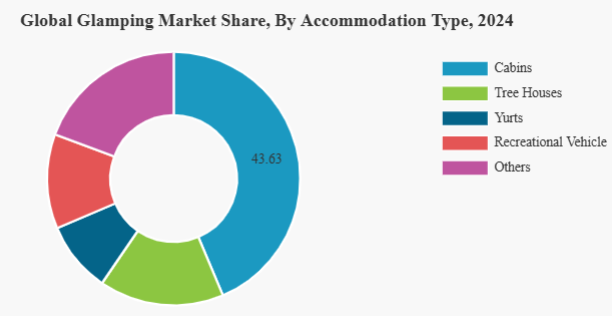
Glamping, or glamorous camping, combines the appeal of nature-based travel with upscale accommodations such as luxury tents, cabins, yurts, treehouses, and eco-lodges. Unlike traditional camping, glamping offers curated experiences, comfortable bedding, private bathrooms, and wellness-oriented services, making it attractive to a broad demographic including millennials, families, couples, and high-income travelers.
Get a Free Sample Research Report: https://www.fortunebusinessinsights.com/enquiry/request-sample-pdf/glamping-market-112745
Market Drivers: Experiential Tourism and Sustainability Focus
One of the key drivers fueling the glamping market is the rising demand for experiential tourism. Modern travelers increasingly value unique, memorable experiences over conventional hotel stays. Glamping provides a blend of adventure and relaxation, allowing guests to connect with nature while enjoying premium services, which strongly aligns with evolving consumer expectations.
Sustainability is another major factor supporting market growth. Many glamping operators emphasize eco-friendly practices such as low-impact construction, renewable energy use, and locally sourced materials. This resonates strongly with environmentally conscious travelers seeking responsible tourism options. Additionally, glamping sites often operate in remote or natural locations, supporting rural tourism development and local economies.
Post-pandemic travel behavior has further accelerated demand for secluded, open-air accommodations. Glamping offers privacy, reduced crowd exposure, and access to nature, making it an appealing alternative to traditional hotels and resorts.
MARKET TRENDS: Increasing Social Media Influence to Fuel Market Expansion
Social media has emerged as a powerful catalyst for the expansion of the glamping market. Platforms such as Instagram and YouTube have significantly amplified the visual appeal of luxury camping experiences. Travel influencers and content creators frequently showcase scenic locations, cozy interiors, and unique accommodation styles through reels, vlogs, and virtual tours, generating aspirational travel content that drives consumer interest.
A growing number of travelers now discover glamping destinations through digital platforms rather than traditional advertising channels. User-generated content, reviews, and influencer endorsements play a critical role in shaping booking decisions. This digital visibility has enabled even small, independent glamping operators to reach global audiences and compete effectively with established hospitality brands.
Another notable trend is the rise of wellness-oriented glamping experiences. Yoga domes, meditation tents, spa lodges, and holistic retreat programs are increasingly integrated into glamping offerings. These wellness-focused concepts cater to travelers seeking mental rejuvenation, stress relief, and balanced lifestyles, further broadening the market’s appeal.
Product Innovation and Experience Customization
Innovation and customization are central to differentiation in the glamping market. Operators are investing in distinctive accommodation designs, themed stays, and curated activity packages to enhance guest experiences. From stargazing domes and safari-style tents to forest cabins and lakeside retreats, glamping offerings are becoming increasingly diverse.
Technology integration is also playing a growing role. Online booking platforms, mobile concierge services, and digital check-in systems are improving customer convenience and operational efficiency. At the same time, many glamping providers maintain a balance between modern amenities and digital detox experiences, catering to travelers seeking both connectivity and escape.
LIST OF KEY GLAMPING COMPANIES PROFILED
The global glamping market features a mix of established hospitality brands and niche experience providers. Key companies profiled in the market include:
Under Canvas (U.S.) – A leading provider of upscale outdoor accommodations near national parks and iconic destinations.
Canopy & Stars Ltd (U.K.) – Specializes in curated nature-based stays across rural and scenic locations.
Tentrr (U.S.) – Focuses on turnkey glamping experiences on private land and protected natural areas.
Tanja Lagoon Camp (Australia) – Offers eco-luxury camping experiences in wildlife-rich environments.
Huttopia (France) – Known for sustainable glamping villages across Europe and North America.
Paperbark Camp (Australia) – Combines luxury tents with immersive nature and culinary experiences.
Hoshino Resorts (Japan) – Integrates glamping concepts into premium resort and outdoor tourism offerings.
Nightfall Camp Pty Ltd. (Australia) – Delivers curated wilderness experiences with high-end service standards.
Eco Retreats (India) – Focuses on sustainable luxury camping experiences in heritage and nature-rich regions.
Collective Retreats (U.S.) – Offers exclusive, design-led glamping stays in scenic destinations.
Buy This Exclusive Report Now: https://www.fortunebusinessinsights.com/select-license/112745
Regional Outlook and Growth Opportunities
North America and Europe currently dominate the glamping market, supported by strong domestic tourism, high disposable incomes, and well-developed outdoor recreation cultures. The United States, the U.K., and France are key contributors, with extensive national parks and countryside destinations supporting glamping growth.
Asia Pacific is expected to witness the fastest growth during the forecast period. Rising middle-class incomes, increasing interest in experiential travel, and expanding tourism infrastructure in countries such as India, Japan, and Australia are creating strong growth opportunities. Government initiatives promoting eco-tourism and rural development further support regional market expansion.
Future Outlook
The global glamping market is poised for robust growth through 2032, driven by experiential travel demand, social media-driven discovery, and the integration of wellness and sustainability into luxury camping concepts. As operators continue to innovate and tailor experiences to evolving traveler preferences, glamping is expected to become a mainstream segment within the global tourism industry. With the market projected to reach USD 7.36 billion by 2032, glamping represents a dynamic and high-potential opportunity for hospitality providers and destination developers worldwide.
Ashwin Arora
Fortune Business Insights™ Pvt. Ltd.
+1 833-909-2966
sales@fortunebusinessinsights.com
Legal Disclaimer:
EIN Presswire provides this news content "as is" without warranty of any kind. We do not accept any responsibility or liability for the accuracy, content, images, videos, licenses, completeness, legality, or reliability of the information contained in this article. If you have any complaints or copyright issues related to this article, kindly contact the author above.
